




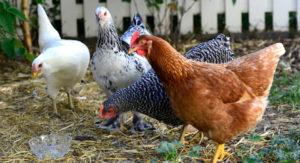
OAK BLUFFS – Bird flu has been detected on Martha’s Vineyard. The Massachusetts Department of Agricultural Resources (MDAR) said they safely disposed of a backyard flock of infected chickens.
The state is advising all poultry owners to practice strong safety measures so as to not spread the disease to wild birds.
Raptors, waterfowl and other aquatic birds are most at risk for infection, although any bird species should be considered susceptible to the disease.
Officials add that while seasonal influenza is on the rise, it is different from Avian Influenza, which rarely infects humans.
“To date, there have been no reported cases of HPAI in humans in Massachusetts, and there is minimal risk for those who do not engage in prolonged direct contact with infected animals,” said MDAR officials in a statement.
MDAR urges flock owners and the public to practice the following guidance to help reduce the spread of bird flu:
- Reporting domestic birds: The public should report sick or dead poultry online at www.mass.gov/reportpoultry.
- Reporting wild birds: The public should report observations of 5 or more sick/dead wild birds found at a single location at www.mass.gov/reportbirds.
- Handling birds and other wildlife: The public should avoid handling any sick or dead birds or other animals.
- Protecting poultry: Owners should keep birds indoors or in covered pens, avoid tracking dirt/feces into coops, and prevent contact with wild birds.
- Keeping pets safe: Pets should always be kept away from wildlife. Cats are highly susceptible to HPAI and may die from an infection. Cat owners in affected areas should keep their pets indoors to prevent them from being exposed to infected wildlife. Animal health officials also recommend leashing dogs and not feeding pets “raw diets”.
State and local agencies continue to coordinate disease surveillance across the Commonwealth.
 About Grady Culhane