




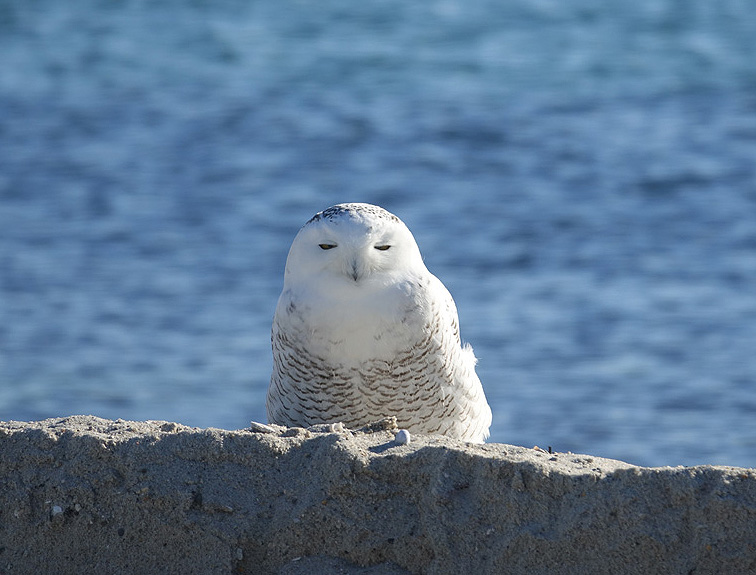
 CHICAGO (AP) — Snowy owls have descended on the Great Lakes region and northeastern U.S. in huge numbers in recent weeks, to the delight of birdwatchers.
Earlier this month, Barnstable town officials reported that five of the birds were spotted at Sandy Neck Beach. The animals are often spotted on Sandy Neck at this time of year.
Sandy Neck and other barrier beaches are popular spots for snowy owls during the winter, since the terrain is similar to the habitat they are used to up north.
Staff are reminding visitors to not disturb the animals in any way while venturing out at Sandy Neck. Feeding the owls is prohibited.
This winter’s mass migration of the owls from their Arctic breeding grounds is serious business for researchers.
They’re trapping and fitting some of the visitors with tiny solar-powered transmitters to track them around the globe and study the long-misunderstood species whose numbers likely are far fewer than previously thought.
There are no trappings happening locally.
Researchers once believed there were about 300,000 Snowy owls worldwide. Now they say it’s closer to 30,000, because of new information about where they nest and winter,
That doesn’t necessarily mean that Snowy owls are in decline. But researchers want to know for sure.
They worry the birds’ long-term survival could be affected by global warming.
 About CapeCod.com NewsCenter